



















Product description
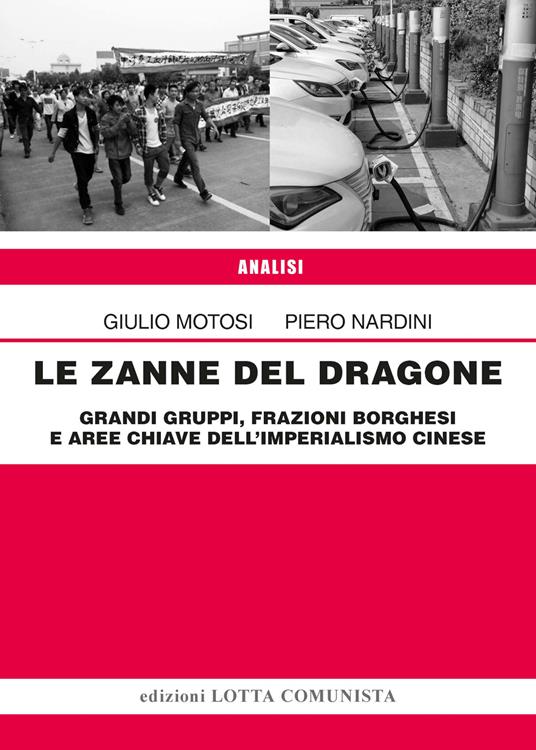
Beijing, Shanghai, Guangzhou, and other major urban centers in China outline a power map that reflects the complexity of today’s Chinese imperialism.
The book explores how large industrial groups and various bourgeois factions, concentrated in the country’s key strategic areas, have found space and representation within the Party-State, following a model of competitive pluralism with a mandarin character.
This mechanism, despite internal tensions and rivalries, has succeeded in centralizing the impulses of the ruling class, projecting China onto the global stage with the full force of its plurality of capital.
A detailed reconstruction of the dynamics through which the Chinese bourgeoisie has shaped its general class interest, in a process marked by confrontation, synthesis, and political direction.


Reviews
There are no reviews yet.